African Fashion Show “Gélé Tea” Focuses On Dementia
Leading designers wow the audience at Gélé Tea fashion show aimed at raising awareness of the disease.
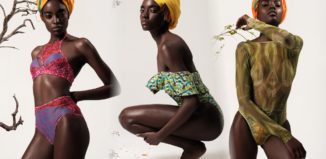
SOME OF the top names in African fashion gathered at London’s Grange Tower Bridge hotel last week for Gélé Tea, an event that showcased the latest designs of the African head tie.
The spotlight was on gélé fashion, with Gélé Tea combining the British tradition of afternoon tea and raising awareness of the impact of dementia on black and minority ethnic (BME) communities.
A theme song written for the event called Memories by London based singer Lanre, was performed.
The event, which started in 2010, kicked off with launch of Géléstoire the first major collection of gélés in the UK.
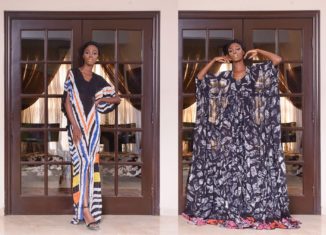
Later, award winning couturier Clariscia Gill wowed the audience with Gelinameji, a dress that is based on the design of the traditional African wrapper.
Make-up artist Juliet Onyeka Osodi, founder of Onyeka Beauty, showcased her new géléctric make up look and critically acclaimed wedding dress designer Kosibah provided another highlight when he launched his latest collection.
As part of Gélé Tea, members of the audience were asked to write down a special memory on a piece of paper to be placed in a symbolic memory box.
There are plans to collate the hundreds of memories contributed into a book aimed at raising further awareness of the disease.
According to statistics from the Runneymede Trust, 25,000 people from BME groups are living with dementia and the figure is predicted to rise to nearly 50,000 by 2026 and 172,000 by 2051.
Gélé Tea co-organiser Edward Boateng told The Voice: “Though it is believed members of the black community do not talk about the issues, barriers were broken down at this event. There are many perceptions about people with dementia that are far from reality and the discussions that took place among audience members were an important step in breaking down those false perceptions. It is becoming an initiative for policy makers to take note of.
“We were also thrilled about the fact that parents brought their children to Gélé Tea. It is significant. They want to have the conversation and they want to engage with others when they do.”
He added: “Gélé Tea is beginning to resonate with black audiences and it is great that we can have this kind of important discussion about dementia at the same time as showcasing the beauty and tradition of African geles.”
During the event specialist dementia nurse Morejoy Saineti spoke about the importance of tackling stereotypes about the disease and supporting those living with it.
She said: “Too many people from our communities receive a dementia diagnosis when it is too late to get help that could delay the symptoms. Early diagnosis is crucial, which is why this important event helps.”
RESOURCE
Womenswear designer Shola Ajayi who showcased her debut collection at Gélé Tea said: “I took my children. They met others and talked about the show and the issues it was trying to raise awareness of and there was a spiral effect. They learnt a lot and we sat up talking about it until the early hours of the morning.”
Boateng said bigger plans for next year’s event are already being worked on as Gélé Tea aims to become a charity.
“We want to be a resource that people can come to or access for support. We are planning workshops, briefings and initiatives to galvanise minority ethnic communities. Dementia is not going away so we have to make plans to address it. We know it won’t be easy but we can see we are building a groundswell.”