Fashion Forward! Ugandan Designers Seek Cut of Africa Fashion Market
Mention African style, and the fashion crowd thinks Lagos or Johannesburg. But Uganda’s emerging designers – using a mix of local craft and global savvy – are hoping to give them a run for their money.
Fashion in the east African nation may be viewed as frivolous by many, with the industry under-resourced and local designers facing fierce competition from cheaper second-hand clothes and Chinese imports.
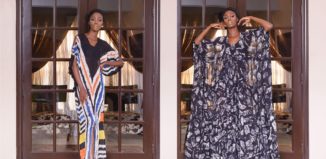
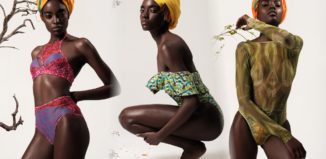
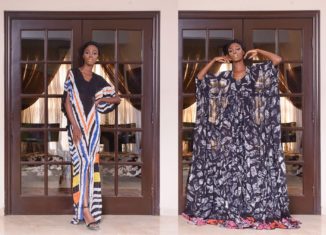
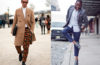
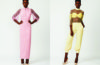
But tickets for Kampala’s first Fashion Week last month sold out swiftly, with models strutting the catwalk showing everything from sequinned hot trousers to accessories made from cow horn, to a dress made from the country’s unique bark cloth.
“In so many ways anything to do with being artistic is a struggle here; people don’t take it seriously,” says the Ugandan-born designer Jose Hendo, now based in Britain, who showcased her work in Africa for the first time at the show.
It follows similar successful recent fashion weeks in Burundi and Rwanda, while Kenya’s opened last week in Nairobi, as east Africa moves to boost its stake among the continent’s designers.
The show had international backing, with the same production crew – LDJ Productions – that provides technical support for New York Fashion Week helping out in Kampala.
LDJ Productions head Laurie De Jong, whose team have also helped Mumbai, Miami, Toronto and Los Angeles get fashion weeks off the ground, says New York’s version is now one of the city’s top three revenue-producing events.
De Jong says Uganda’s talented designers and others working in the industry could offer the country a “huge, huge economic boost” if supported more.
The Kampala Fashion Week show featured 10 Ugandan womens- and menswear designers, many self-taught, and marked a comeback for Natasha Karugire, the daughter of the Ugandan president Yoweri Museveni.
“My prayer and hope is that Ugandans will all wear our own clothes and that the second- hand clothes market will fizzle out of our society,” says Karugire, whose label J&kainembabazi sent out bright, floral dresses with traditional beading at the collar.
Hendo’s collection for the show featured jackets, trousers, coats, headpieces and other accessories made out of the bark cloth from local trees, mixed with cotton, silk and denim.
The award-winning ethical designer came up with the idea of using bark cloth after a 2001 trip to Uganda with her family.